
Comprehensive Care for Aortic Aneurysms at Ashwin Hospital, Coimbatore
At Ashwin Hospital, Coimbatore, we are dedicated to delivering expert care for aortic aneurysms, ensuring patients receive accurate diagnoses, advanced treatment options, and compassionate support. Our team of vascular specialists uses state-of-the-art technology to treat conditions like abdominal and thoracic aortic aneurysms, providing the highest level of care tailored to individual needs. This guide will help you understand aortic aneurysms, empowering you to make informed decisions about your health.
What is an Aortic Aneurysm?
An aortic aneurysm occurs when a section of the aorta, the body’s largest artery, becomes weakened and bulges outward. Depending on its location, it can be classified into:
- Abdominal Aortic Aneurysm (AAA): Found in the lower part of the aorta, running through the abdomen.
- Thoracic Aortic Aneurysm (TAA): Occurs in the upper portion of the aorta within the chest.
Both types can lead to severe complications if left untreated, including aortic rupture or dissection, making early detection and treatment crucial.
Types of Aortic Aneurysms
Abdominal Aortic Aneurysm (AAA)
- Common in individuals over 60, particularly men.
- Symptoms may include a pulsating feeling near the navel, back pain, or abdominal discomfort.
- Risk factors: hypertension, genetic predisposition, and lifestyle factors like smoking.
Thoracic Aortic Aneurysm (TAA)
- Often associated with genetic conditions like Marfan syndrome or aortic wall weakening due to aging.
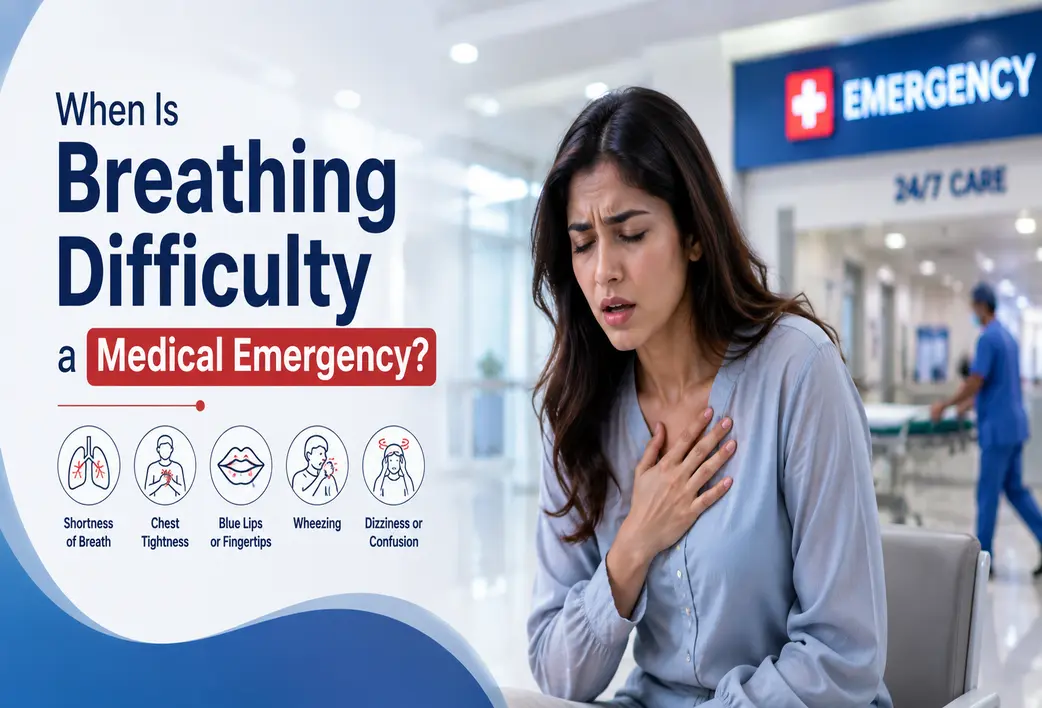
- Symptoms can include chest pain, shortness of breath, or difficulty swallowing.
- TAA requires close monitoring and often surgical intervention.
Signs and Symptoms
Early detection is vital, as aortic aneurysms can often be asymptomatic. However, watch for these warning signs:
- Aortic Aneurysm Symptoms:
- Pulsating or throbbing sensations in the abdomen or chest.
- Persistent back or chest pain.
- Shortness of breath, coughing, or difficulty swallowing (in TAA).
- Sudden onset of severe pain (indicating possible aortic dissection or rupture).
Seek immediate medical attention if symptoms worsen or new symptoms arise.
Risk Factors
- Age and Gender – The risk increases with age, especially for men over 65. Women are generally less likely to develop aortic aneurysms.
- Family History and Genetic Conditions – A family history of aneurysms or genetic conditions like Marfan syndrome significantly raises the risk.
- High Blood Pressure and Atherosclerosis – Hypertension and plaque buildup in arteries can weaken the aorta and make it more prone to aneurysms.
- Smoking – Smoking accelerates the weakening of blood vessels, increasing the likelihood of an aneurysm.
- Chronic Infections and Inflammation – Conditions like vasculitis or infections can weaken the aorta, contributing to aneurysm formation.
Living with Aortic Aneurysm
- Regular Monitoring and Checkups: Regular imaging tests, such as ultrasound or CT scans, are essential to track the size and growth of the aneurysm. Early detection of any changes can help prevent rupture.
- Medications: Medications to control blood pressure (e.g., beta-blockers, ACE inhibitors) and cholesterol levels can reduce strain on the aorta and prevent the aneurysm from growing.
- Lifestyle Modifications
- Quit Smoking: Smoking accelerates aneurysm growth, so quitting is crucial.
- Healthy Diet: Focus on a heart-healthy diet rich in fruits, vegetables, whole grains, and lean proteins while reducing saturated fats and salt.
- Exercise: Regular, moderate exercise can help manage blood pressure and improve cardiovascular health. Consult with a doctor before starting any exercise program.
Know the Symptoms
Stay alert to symptoms such as chest pain, back pain, dizziness, or difficulty breathing. If any of these occur, seek immediate medical attention, as they may indicate an aneurysm rupture.
Surgical Intervention
For large aneurysms or those at high risk of rupture, surgery may be necessary. This may involve open surgery or a less invasive endovascular procedure. Follow-up care after surgery is essential for ongoing health.
Emotional and Psychological Support
Living with an aortic aneurysm can be emotionally challenging. It’s important to seek support from healthcare providers, counselors, or support groups to manage anxiety and stress related to the condition.
With proper management, lifestyle changes, and medical supervision, many people with an aortic aneurysm can live full and active lives. Regular checkups and proactive care are key to preventing complications.
Causes
- Atherosclerosis: Buildup of plaque in the arteries weakens the aorta, increasing the risk of aneurysm formation.
- High Blood Pressure (Hypertension): Chronic high blood pressure puts extra pressure on the aorta, leading to its weakening and potential bulging.
- Genetic Factors: Family history and genetic conditions like Marfan syndrome or Ehlers-Danlos syndrome increase the risk of developing an aneurysm.
- Smoking: Smoking damages blood vessel walls, contributing to aortic weakness and aneurysm development.
- Inflammatory Conditions: Diseases like vasculitis cause inflammation and damage to the aorta, raising the risk of aneurysm formation.
Diagnosis
Early diagnosis is crucial for effective treatment. Our services include:
- Aneurysm Screening: Non-invasive imaging tests such as ultrasound, CT scans, and MRIs to detect aneurysms.
- Aortic Aneurysm Specialist Consultation: Personalized care plans by the best vascular surgeons in Coimbatore.
Treatments
At Ashwin Hospital, we offer cutting-edge treatments, including:
Endovascular Aneurysm Repair (EVAR)
- A minimally invasive procedure using stent grafts to strengthen the aorta and prevent rupture.
- Faster recovery compared to traditional methods.
Open Aortic Surgery
- Recommended for larger or more complex aneurysms.
- Involves replacing the damaged section of the aorta with a synthetic graft.
Aortic Aneurysm Surgery and Repair
- Tailored approaches, including hybrid procedures for complex cases, ensuring optimal outcomes
Complications of Untreated Aortic Aneurysm
- Rupture: The most serious complication, where the aneurysm bursts, leading to massive internal bleeding and potentially fatal consequences.
- Dissection: A tear in the inner lining of the aorta causes blood to flow between the layers of the aortic wall, leading to aortic dissection, which can be life-threatening.
- Blood Clots: Aneurysms can create turbulent blood flow, leading to the formation of blood clots, which can travel to other parts of the body, causing strokes or other complications.
- Aortic Valve Dysfunction: A growing aneurysm can affect the aortic valve, leading to regurgitation (leaking), which puts added strain on the heart and can cause heart failure.
- Pressure on Surrounding Structures: An enlarging aneurysm can press on nearby organs, such as the lungs or digestive tract, causing pain, difficulty breathing, or digestive issues.
Prevention
- Control Blood Pressure: Maintain a healthy blood pressure level through medication and lifestyle changes to reduce strain on the aorta.
- Quit Smoking: Smoking accelerates the damage to blood vessels, so quitting significantly lowers the risk of aneurysm formation.
- Healthy Diet: Eat a diet low in saturated fats and cholesterol, and rich in fruits, vegetables, and whole grains to promote heart and vascular health.
- Exercise Regularly: Engage in regular physical activity to improve cardiovascular health and maintain a healthy weight, which helps reduce the risk of aneurysm.
- Regular Screening and Monitoring: For those with risk factors (e.g., family history, high blood pressure), regular screenings like ultrasounds or CT scans can detect aneurysms early, enabling timely treatment.
Why Choose Ashwin Hospital for Aortic Aneurysm Treatment?
- Renowned for providing the best aortic aneurysm treatment in Coimbatore.
- Expertise in vascular surgery and endovascular procedures.
- Compassionate care and guidance at every step of your journey.
Relief is Within Reach: Schedule a Consultation Today
If you’re experiencing aortic aneurysm symptoms or have risk factors like hypertension, don’t wait. Early diagnosis can save lives. Visit Ashwin Hospital, your trusted aneurysm treatment center near me, and take the first step toward better vascular health.
Contact us today to consult with an endovascular repair specialist near me or schedule your aneurysm screening.
FAQs on Aortic Aneurysm
- What is an aortic aneurysm?
An aortic aneurysm is an abnormal bulge or weakening in the wall of the aorta, the main blood vessel that carries blood from the heart to the rest of the body. - What are the types of aortic aneurysms?
The two main types are abdominal aortic aneurysms (AAA), occurring in the lower part of the aorta, and thoracic aortic aneurysms (TAA), found in the chest area. - What causes an aortic aneurysm?
Common causes include high blood pressure, smoking, genetic factors, atherosclerosis, and connective tissue disorders. - What are the symptoms of an aortic aneurysm?
Many aneurysms are asymptomatic, but symptoms can include back or abdominal pain, a pulsating sensation in the abdomen, or chest pain in the case of a thoracic aneurysm. - How is an aortic aneurysm diagnosed?
Diagnosis often involves imaging tests such as ultrasound, CT scans, or MRI, along with a physical examination. - What are the treatment options for aortic aneurysms?
Treatment includes endovascular aneurysm repair (EVAR), open aortic surgery, and, in some cases, medication to manage risk factors. - What are the risks of leaving an aortic aneurysm untreated?
Untreated aneurysms can lead to serious complications like aortic rupture or dissection, which are life-threatening emergencies. - Who is at risk of developing an aortic aneurysm?
Risk factors include being over 60 years old, smoking, having a family history of aneurysms, hypertension, or connective tissue disorders. - Can aortic aneurysms be prevented?
While not all are preventable, reducing risk factors through healthy lifestyle choices, regular screenings, and managing blood pressure can help. - What should I do if I suspect an aortic aneurysm?
Seek immediate medical attention. Early diagnosis and treatment are crucial for preventing complications.